
We’ve all been there—excitedly pulling a tray of roasted vegetables out of the oven, only to find a sad, soggy mess. But don’t worry, crispy perfection is possible. With just a few adjustments, your vegetables can go from limp to legendary. In this guide, we’ll walk through the science and secrets behind that golden-brown crunch we all crave. From choosing the right vegetables to seasoning techniques, you’ll learn it all.
Roasting vegetables is not only tasty, but it also keeps nutrients like vitamin C and antioxidants intact, according to the National Institutes of Health. Plus, crispy veggies make eating healthy feel indulgent.
A few years ago, I hosted a fall dinner party. I roasted carrots, brussels sprouts, and sweet potatoes. They vanished faster than the meat! The compliments poured in. Guests asked for the recipe. That night, I realized roasted vegetables can shine just as brightly as the main course.
Before we jump into the secrets, explore Home Decorations Tips for more kitchen and lifestyle inspiration. It’s packed with helpful ideas to elevate your home.
Choose the Right Vegetables for Roasting
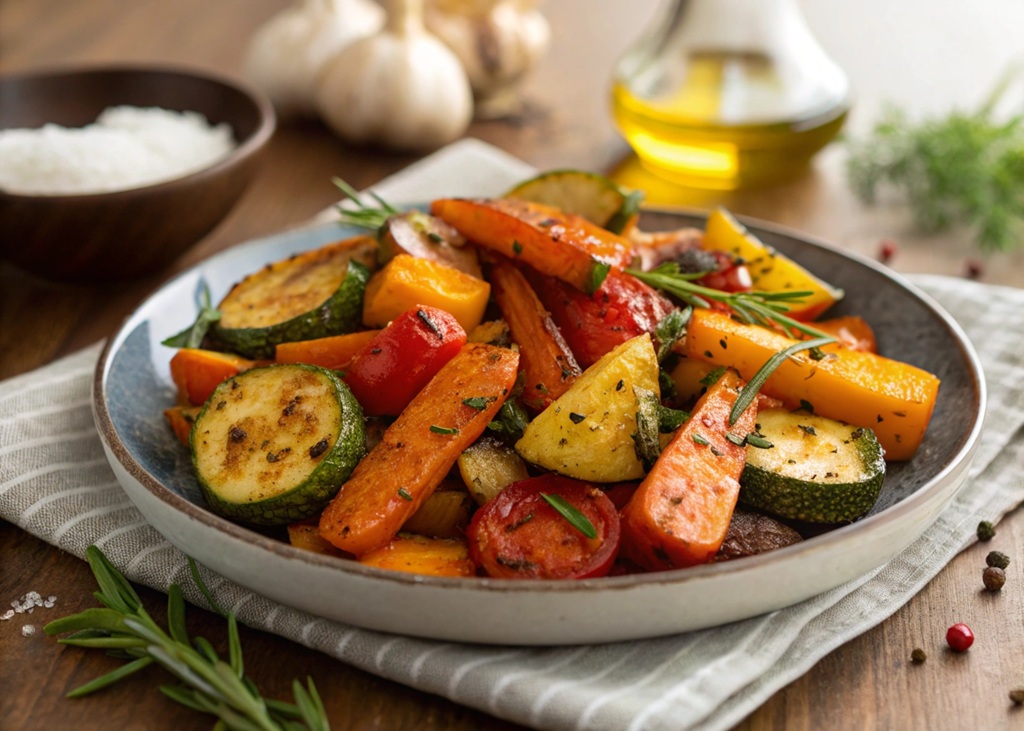
Not all vegetables are built for roasting. Some hold their shape and texture better than others.
Best vegetables for roasting include:
- Root vegetables (carrots, sweet potatoes, parsnips)
- Cruciferous ones (brussels sprouts, broccoli, cauliflower)
- Squash and zucchini
- Onions and bell peppers
These types have a good balance of starch and water. They caramelize beautifully without becoming too soft. If you’ve ever wondered how long to boil a duck egg for breakfast prep, you must know the exact timing. Similarly, precision is everything when prepping roasted vegetables.
The Water Content Factor
High-moisture vegetables like tomatoes and cucumbers are best used fresh or in soups. When roasted, they can steam rather than crisp.
According to a 2020 study from the University of Illinois, vegetables with high water content lose flavor during high-temperature cooking. Dry vegetables, on the other hand, intensify in flavor when roasted.
When planning your tray, mix firm, dry veggies. Avoid mixing watery ones unless you roast them separately.
Tip: Cut vegetables into similar-sized pieces. This ensures even cooking and reduces the risk of burning smaller bits.
Dry Your Vegetables Thoroughly Before Roasting
Many people forget this step. Yet it’s one of the most important tricks for crispy roasted vegetables.
Moisture is your enemy. When vegetables are wet, they steam. This prevents the browning that creates that satisfying crunch.
Here’s what to do:
- Wash vegetables well, then pat them dry with paper towels.
- Let them air-dry for a few minutes on a clean towel.
- Don’t overcrowd the pan—give each piece space to breathe.
A crowded pan means steam, and steam equals mush. Try using two baking sheets if needed. Trust me, it makes a huge difference.
From personal experience, skipping this drying step often led to soft carrots or mushy zucchini. Once I started drying them well, the game changed. They came out crispy every single time.
Use the Right Oil and Temperature
The type of oil and the oven temperature affect flavor and crispness.
Best oils for roasting include:
- Olive oil (for medium heat, up to 400°F)
- Avocado oil (for high heat, up to 500°F)
- Grapeseed oil (neutral flavor, good for veggies)
Important: Don’t drown your vegetables in oil. A light coating is all you need. Too much oil can make them greasy rather than crispy.
According to the American Heart Association, roasting with healthy oils like olive or avocado also helps absorb fat-soluble vitamins like A, D, E, and K.
Temperature matters:
Roast vegetables at 425°F (220°C). Lower temperatures don’t allow for the Maillard reaction, which is what gives roasted vegetables their browned, crispy texture.
Pro tip: Preheat the oven and the baking sheet. This gives vegetables a sear when they hit the pan—like putting meat on a hot skillet.
I once tried roasting sweet potatoes at 350°F, thinking slow would be better. Instead, they were soft and underwhelming. Upping the temp made all the difference.
Seasoning and Flavors: Keep It Bold but Balanced
Simple doesn’t have to mean boring. Roasted vegetables become addictive when seasoned well.
Popular spice combinations include:
- Paprika, garlic powder, and black pepper
- Cumin, coriander, and turmeric for earthy depth
- Chili flakes and lime zest for a spicy kick
- Rosemary, thyme, and sea salt for a classic touch
Salt smartly. Salt draws out moisture, so add it before roasting. But avoid overdoing it—you can always add more at the end.
You can also finish roasted veggies with:
- A drizzle of balsamic glaze
- A squeeze of lemon juice
- A sprinkle of parmesan cheese
- Fresh herbs after cooking
According to a 2019 article in Food Chemistry, herbs like thyme and rosemary not only add flavor but also antioxidants that protect cells from damage.
One of my go-to blends? Smoked paprika, garlic powder, olive oil, and a pinch of cayenne. It’s a hit every time.
Use the Right Tools for the Best Texture
Using proper equipment can take your roasted vegetables from good to great.
Must-have tools:
- Rimmed baking sheet: Keeps oil from spilling and allows for even browning.
- Parchment paper: Prevents sticking, but skip it if you want maximum crispiness.
- Metal spatula: Makes flipping easy without tearing vegetables apart.
- Wire rack: Place it on the sheet pan for air circulation underneath.
Avoid glass or ceramic pans—they don’t conduct heat as well as metal. Your veggies may come out soft instead of crispy.
According to America’s Test Kitchen, metal baking sheets can improve caramelization by up to 30% compared to ceramic dishes.
Pro Tip: Flip vegetables halfway through roasting. This gives an even brown on both sides and prevents burning.
I once used foil to line the pan for easy cleanup. But the vegetables steamed and stuck. Switching to an unlined sheet changed everything.
Let Them Rest and Serve Immediately
Once your veggies are golden and crisp, it’s tempting to dive right in. But let them rest for 2–3 minutes before serving.
This short rest allows the outer layer to firm up, so they stay crisp longer.
Presentation and timing tips:
- Serve immediately for best texture.
- Use shallow dishes to avoid steam buildup.
- Avoid covering them right away—it traps moisture.
If you’re preparing a big meal, roast veggies last. Let them be the star of the final course on the plate.
A sprinkle of finishing salt or a touch of fresh herbs can also elevate the flavor right before serving.
Read More Also: How to Select the Right Countertop for Your Outdoor Kitchen
Conclusion
Crispy roasted vegetables aren’t just about luck—they’re about knowing what to do and doing it well. By drying your veggies, using the right oil, seasoning boldly, and not crowding the pan, you can consistently deliver crispy, flavorful bites.
Healthy, colorful, and satisfying, roasted vegetables can turn even veggie skeptics into fans. And the best part? It doesn’t take much—just a little care and knowledge.
Discover More: Ideas and trends to have a perfect kitchen and the latest
FAQs
How do I keep my roasted vegetables from getting soggy?
Dry them well after washing, use high heat (425°F), and don’t overcrowd the pan.
Should I peel vegetables before roasting?
It depends. Carrots and potatoes can keep their skin for texture. Just scrub them clean first.
Can I roast frozen vegetables?
Yes, but roast them straight from frozen and at a high temperature. Don’t thaw them first.
What oil is best for high-heat roasting?
Avocado oil is great for high heat and has a mild flavor that works with most vegetables.
How long should I roast vegetables?
Usually 25–35 minutes at 425°F, flipping halfway. Softer veggies like zucchini need less time.
