
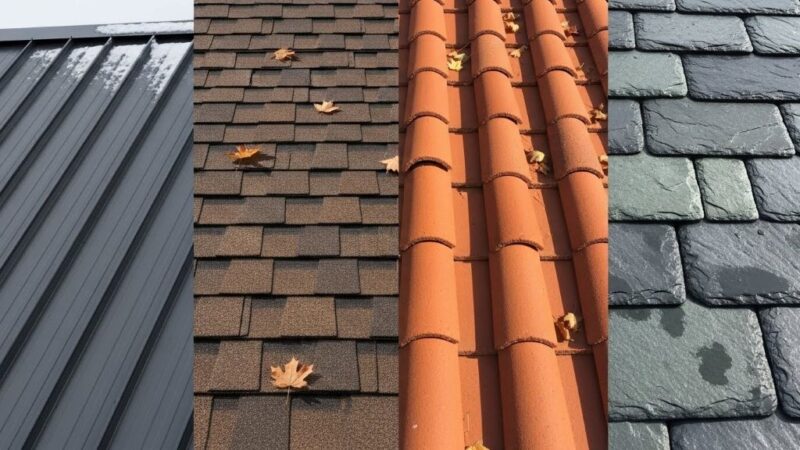
Choosing the right roofing material can make or break your home’s durability. Your local climate plays a huge role in determining which roof will last longest and protect your property best. Understanding how weather patterns affect roofing materials helps homeowners make smarter investment decisions.
Why Climate Matters for Roof Selection
Different regions experience unique weather challenges. Coastal areas face salt air and hurricanes, while mountain communities deal with heavy snow loads. Desert regions endure extreme heat and UV exposure. Therefore, selecting appropriate roofing materials based on your climate zone protects your home and saves money over time.
Additionally, climate-appropriate roofing choices can significantly reduce energy costs. The right material reflects heat in hot climates or retains warmth in cold regions. This efficiency translates to lower utility bills and increased comfort year-round.
Hot and Sunny Climates
Regions with intense sun exposure require roofing materials that resist heat absorption and UV damage. Homeowners in these areas should prioritize reflective materials that keep interiors cool.
Best Materials for Hot Climates
Clay and concrete tiles excel in hot, dry environments. These materials naturally reflect sunlight and provide excellent insulation. Their thermal mass keeps homes cooler during scorching afternoons. However, they require strong structural support due to their weight.
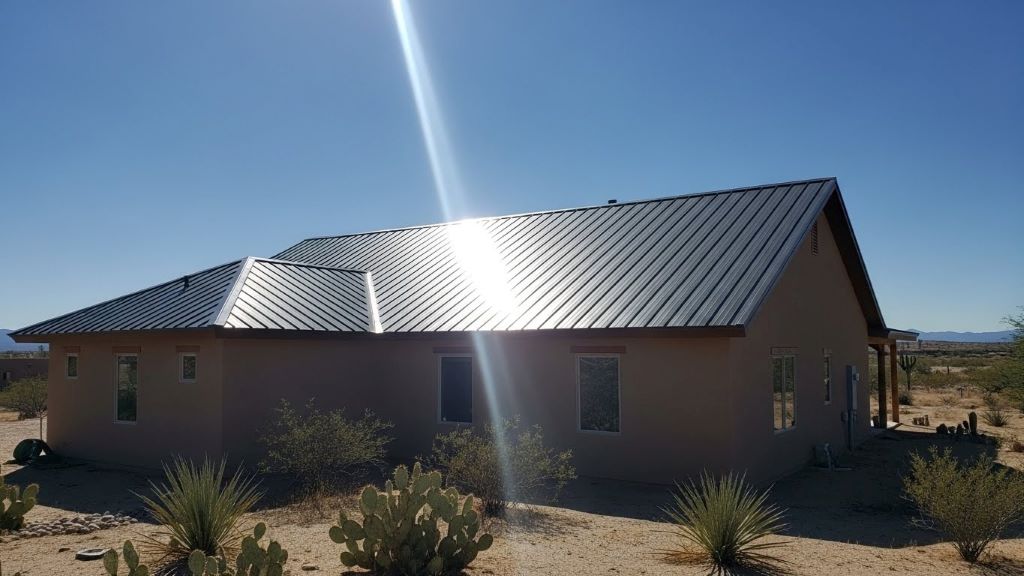
Metal roofing also performs exceptionally well in sunny regions. Light-colored metal roofs reflect up to 70 percent of solar energy. They resist heat buildup and typically last 40 to 70 years. Furthermore, metal roofs shed debris easily and resist fire damage.
White or light-colored asphalt shingles offer a budget-friendly alternative. These shingles incorporate reflective granules that bounce heat away from the home. They provide decent performance in moderately hot climates without breaking the bank.
Considerations for Desert Environments
Desert climates present unique challenges beyond just heat. Extreme temperature swings between day and night cause materials to expand and contract repeatedly. This cycle can crack or damage inferior roofing products over time.
Therefore, flexibility becomes crucial in desert regions. Materials must withstand daily temperature variations without developing structural problems. Metal roofing and high-quality tile installations typically handle these conditions best.
Cold and Snowy Climates
Northern regions face heavy snow accumulation, ice dams, and freezing temperatures. Roofing materials must withstand significant weight while preventing water infiltration from melting snow.
Top Choices for Winter Weather
Asphalt shingles remain popular in cold climates when properly installed. Impact-resistant varieties handle freeze-thaw cycles effectively. However, proper attic ventilation and insulation are essential to prevent ice dam formation.
Metal roofing sheds snow efficiently due to its smooth, slippery surface. Snow slides off before accumulating to dangerous weights. Additionally, metal roofs resist moisture penetration and last decades longer than traditional shingles in harsh winter conditions.
Slate roofing offers unmatched durability in freezing temperatures. This natural stone material resists moisture absorption and handles extreme cold without cracking. Slate roofs can last over 100 years, making them excellent long-term investments despite higher initial costs.
Preventing Ice Dam Damage
Ice dams form when heat escapes through the roof, melting snow that refreezes at the eaves. This ice buildup forces water under shingles, causing leaks and structural damage.
Therefore, proper insulation and ventilation matter as much as material selection. Even the best roofing materials fail when ice dams develop unchecked. Homeowners should ensure adequate attic insulation and ridge ventilation during roof replacement projects.
Humid and Rainy Climates
Regions with frequent rainfall and high humidity require roofing that resists moisture penetration and mold growth. Standing water and constant dampness accelerate deterioration of unsuitable materials.
Moisture-Resistant Options
Metal roofing excels in wet climates by shedding water quickly and resisting rust when properly coated. Interlocking panels prevent water infiltration even during driving rainstorms.
Architectural asphalt shingles with algae-resistant treatments work well in humid areas. These specially formulated shingles resist the dark streaking caused by algae growth. Regular maintenance extends their lifespan in damp conditions.
Clay and concrete tiles naturally resist moisture absorption. Their hard surfaces prevent water penetration while allowing proper ventilation underneath. This breathability helps prevent mold and rot in roof decking.
Ventilation Requirements
Proper attic ventilation becomes critical in humid climates. Moisture trapped in the attic space promotes mold growth and wood rot. Therefore, ridge vents, soffit vents, and adequate air circulation must accompany any roof replacement project.
Coastal and Hurricane-Prone Areas
Coastal properties face unique challenges from salt air, high winds, and hurricane threats. According to the National Oceanic and Atmospheric Administration, hurricanes cause billions in property damage annually, with roofs being particularly vulnerable.
Wind-Resistant Roofing Solutions
Impact-resistant asphalt shingles meet strict wind rating requirements for coastal installations. These shingles feature reinforced backing and enhanced adhesive strips. They resist uplift during high winds better than standard products.
Metal roofing systems with concealed fasteners provide superior wind resistance. Panels interlock mechanically, creating a continuous barrier against wind-driven rain. Many metal roofs carry wind ratings exceeding 140 miles per hour.
Concrete tiles offer excellent performance in hurricane zones when properly installed. Their weight helps them resist uplift forces. However, installation requires strict adherence to manufacturer specifications and local building codes.
Corrosion Resistance
Salt air accelerates corrosion of metal components and fasteners. Therefore, coastal homeowners must choose corrosion-resistant materials throughout the roofing system. Stainless steel fasteners and specialized coatings prevent premature failure in salty environments.
Moderate Climate Considerations
Temperate regions experience varied weather without extreme conditions. Homeowners in these areas have more flexibility in material selection.
Versatile Material Options
Standard asphalt shingles perform adequately in moderate climates. They offer good value and come in numerous styles and colors. However, premium options provide better longevity and weather resistance.
Wood shakes and shingles create attractive roofs in mild climates with moderate rainfall. They require regular maintenance but offer natural beauty and good insulation properties. Cedar and redwood varieties naturally resist decay and insect damage.
Synthetic roofing products like rubber or plastic composites mimic the appearance of natural materials. These engineered products often outperform traditional materials in durability while requiring less maintenance.
Energy Efficiency and Climate
Regional climate directly impacts roofing energy efficiency. The U.S. Department of Energy notes that proper roofing choices can reduce cooling costs by up to 15 percent in hot climates.
Cool Roofing Technologies
Reflective coatings and specially designed shingles reduce heat absorption in warm regions. These products lower surface temperatures by 50 degrees or more compared to traditional dark roofs. Lower roof temperatures reduce air conditioning demand and extend material lifespan.
Conversely, dark roofs benefit cold climates by absorbing solar heat during winter months. This passive heating reduces energy consumption and keeps homes warmer naturally.
Budget and Climate Balance
Climate considerations must balance with budget constraints. Higher-quality materials cost more initially but often provide better long-term value in challenging climates.
Cost-Effective Climate Solutions
Homeowners should evaluate total lifecycle costs rather than just installation prices. A premium metal roof costing twice as much might last three times longer than basic shingles. Additionally, energy savings and reduced maintenance costs offset higher upfront investments.
Local building codes sometimes mandate specific materials or installation methods for climate-related reasons. These requirements ensure adequate protection but may limit budget options. Therefore, obtaining multiple quotes from licensed contractors helps identify the best value for your specific climate zone.
Conclusion
Regional climate significantly influences optimal roof replacement choices. Hot climates demand reflective, heat-resistant materials, while cold regions require snow-shedding durability. Humid areas need moisture resistance, and coastal properties must withstand wind and salt exposure. Understanding your local weather patterns helps you select roofing materials that provide maximum protection and longevity. Additionally, proper installation and ventilation matter as much as material selection regardless of climate zone. Consulting with experienced local roofing contractors ensures your new roof meets regional requirements and performs optimally for decades.
Frequently Asked Questions
How does climate affect roof lifespan?
Climate directly impacts how long roofing materials last. Extreme temperatures, moisture, and UV exposure accelerate wear and deterioration. Materials suited to local conditions typically last 30 to 50 percent longer than inappropriate choices.
What roofing material works best in all climates?
Metal roofing performs well across diverse climate zones. It sheds snow in cold regions, reflects heat in hot areas, and resists moisture in humid climates. However, proper installation and coating selection remain essential for optimal performance.
Should I replace my roof before moving to a different climate zone?
If your current roof shows significant wear, replacement before selling makes sense regardless of climate. However, if the roof remains serviceable, let the new owner choose materials appropriate for their specific climate needs and preferences.
How do I know if my roof is climate-appropriate?
Check for premature aging signs like curling shingles, excessive granule loss, or frequent leaks. Compare your roof’s age to expected lifespan for your material and climate. Consulting a local roofing professional provides expert assessment of climate suitability.
Do energy-efficient roofs cost significantly more?
Energy-efficient roofing materials typically cost 10 to 30 percent more than standard options. However, reduced energy bills and extended lifespan often recover this investment within five to ten years, especially in extreme climates.
Related Topics:
Understand Composition Shingle Roof Lifespan: The Roofing Workhorse
